
The Ultimate Curtain Size Guide: How to Measure Curtains, Window Dimensions & Standard Curtain Sizes
19 Jun, 2026

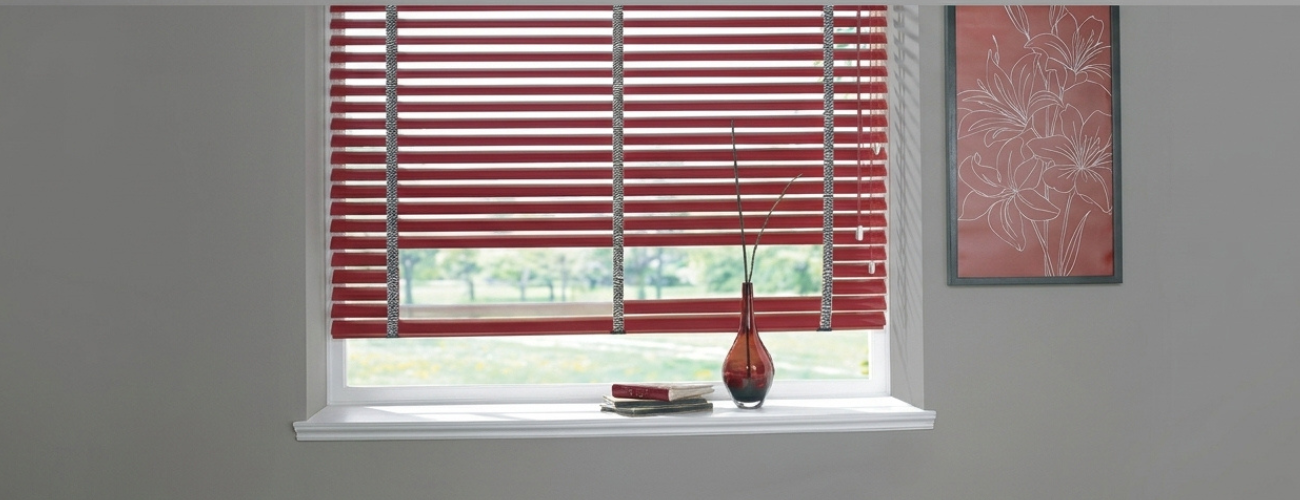
Window treatments are essential for comfort and privacy in the house, as well as aesthetics. Of all the different options available for window treatments today, blinds have the most versatility as they are functional and can fit into almost any style of interior design. What are blinds? Blinds are coverings for windows made up of individual slats or panels that can be adjusted to conceal a certain amount of light or privacy. As design trends evolve, the different types of window blinds do, as a result of different preferences. This guide will seek to take you through the different types of blinds and help you choose the ideal one for your house from the different materials, textures, and styling options available.
The blinds’ meaning refers to window coverings that are adjustable and can be manipulated to regulate the amount of sunlight that the room gets and to also provide privacy when it’s needed. They have also been known to provide precise light control through the use of slats that are adjustable or through the use of rollable panels. These attributes have made the window treatments of choice for most owners of contemporary and modern interiors.
Modern interiors are being fitted with updated interior window blinds that promote a great level of comfort and convenience with their aesthetic design and motorised or automated features.
When in the market for new window treatments, knowing the different types of blinds can help you narrow down your search. While some blinds are purely functional, others can help you achieve the desired aesthetic for the room or home you’re working on.
A timeless style of blinds is Venetian blinds. They feature horizontal slats that can be tilted for partial view and light, or raised fully.
Ideal for: Living rooms, office spaces and study rooms.
Material choices: Wood, PVC or aluminium.
Finish choices: Smooth side or wood-grain.
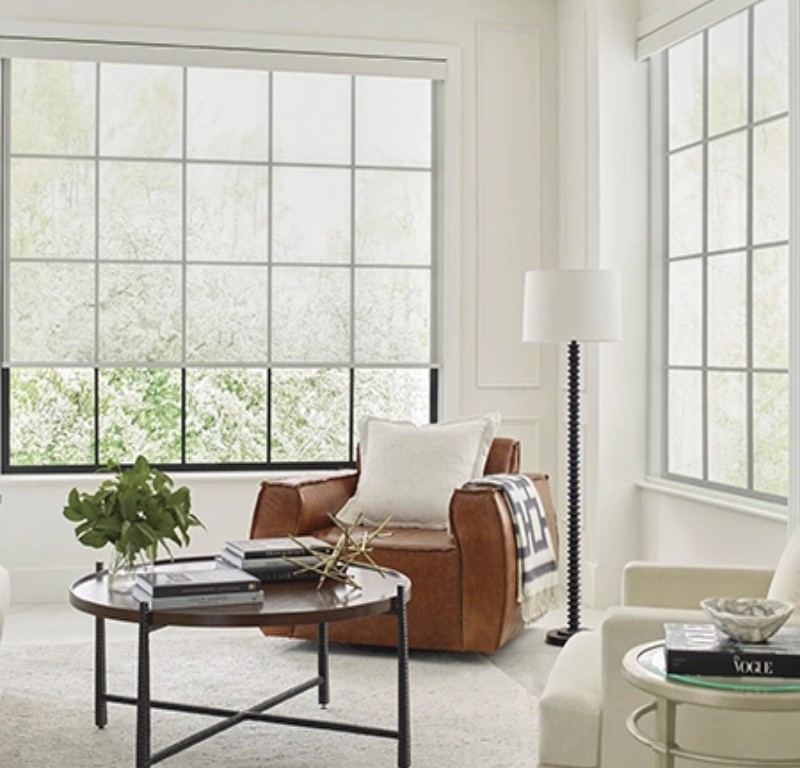
Roller blinds are made of one piece of fabric that either rolls up or down.
Pros: Easy to use and offers a minimalist aesthetic.
Most suggested for modern and simple looks, and made to fit inside the window frame.
Roman Blinds offer a soft and cosy look to a room with their fabric construction. They bunch up into neat folds when raised.
Ideal for: Living rooms because of their elegant and decorative style.
Vertical blinds use slats that pull down from the top. These slats can be rotated or pulled to the side to help control light and view.
Best for: Big windows or sliding glass doors.
Material choices: Fabric, PVC, or aluminium.
These are a popular choice for window blinds in Delhi among homeowners with spacious apartments.
Wooden blinds are natural and add a touch of luxury.
Blind texture: Beautiful and natural.
Ideal for formal living areas.
Zebra blinds have alternating sheer and solid stripes. They are a modern and trendy choice for urban homes. They are functional and fashionable.
Soft window treatments are becoming more and more common. Fabric blinds and cloth blinds offer:
These are perfect for the bedrooms where softness and comfort are important.
Bedrooms need to have an atmosphere of tranquillity and provide privacy. Common blind designs for the bedroom include:
To enhance the atmosphere, use calming colours such as beige, grey, pastel blue or soft sage.
When choosing blinds design for the living room, you need to combine function and style. Good options include:
The best type of blinds for the living room depends on the furniture and how much light in the room.
Blind material determines how the blinds look and how long they will last. The most common materials include:
Blind material determines how great the blinds will look and for how long.
Blinds’ texture will affect how the room feels.
Make sure to choose the right textures to complement the furniture and flooring.
Take these into consideration:
Best blinds for the living room style include wooden Venetian blinds. If it is usually very sunny indoors, blackout roller blinds will most likely suit you.
Today’s most modern interior window blinds include:
Less blind care encourages blind replacement.
Maintaining different types of blinds ensures longevity.
Drapesy has built a reputation for delivering stylish and practical window treatments tailored to modern homes. Their thoughtfully curated collection includes versatile interior window blinds crafted with durable materials and refined detailing. By focusing on quality blinds material, elegant finishes, and functional mechanisms, the brand offers solutions that balance aesthetics with everyday usability. From textured roller blinds to sophisticated wooden styles, Drapesy emphasises design innovation and craftsmanship, helping homeowners achieve polished and comfortable living spaces.
Particularly in metropolitan areas, and especially when considering window blinds in Delhi, homeowners demand:
Space and design of urban homes often prefer minimalist roller blinds and for convenience, motorized blinds are used.
Benefits include:
Knowledge of the types of window blinds available is essential to combine the desired functionality with the preferred ornamentation.
Choosing suitable fabric or roller blinds that come in various finishes and materials is important to ensure that it suits your home and your comfort level. Research will help you make informed choices to meet your needs and preferences. If you choose the right blinds design for the living room or an appropriate design for the bedroom, they can significantly improve the look of your home. As the trends of modern design continue to change, the type of interior window blinds that you choose can make a big difference to your home. With an appropriate degree of care and consideration, the window treatments will function as intended for many years to come.
Durability depends largely on the material you choose for the blinds. Aluminium, faux wood, and PVC blinds are known for their strength and resistance to moisture, warping, and fading. These materials perform well in high-traffic areas and humid environments, making them ideal for kitchens, bathrooms, and living rooms that receive ample sunlight.
To select the best type of blinds for the living room, consider lighting, décor theme, and privacy needs. Sheer or light-filtering roller blinds enhance natural brightness, while Roman or layered fabric blinds add elegance. Neutral tones with subtle blind texture work beautifully in contemporary interiors without overpowering the décor.
Fabric blinds offer softness and decorative appeal, making them ideal for bedrooms and cosy interiors. However, wooden or aluminium blinds are more durable and easier to maintain. If aesthetics are your priority, cloth options work well; if longevity and moisture resistance matter more, synthetic or metal blinds are preferable.
Regular dusting once a week keeps interior window blinds looking fresh. Deep cleaning every few months helps maintain hygiene and colour. The cleaning method varies based on the blinds' material; fabric options may require gentle vacuuming, while metal or PVC blinds can be wiped with a damp cloth.
Yes, certain different types of blinds help regulate indoor temperature by blocking excessive sunlight and reducing heat gain. Thermal or layered blinds provide insulation during summer and winter. Choosing the right blind design not only enhances aesthetics but also contributes to improved energy efficiency and comfort.
Dive into the buzz!


ADDRESS
M/S Drapesy
Unit No. 1&2, FF,
Plot No. 9, Aya Nagar,
Opp. Metro Pillar No. 190,
Arjangarh Metro Station
New Delhi 110047
HAVE ANY QUERIES?
OUR EXPERIENCE CENTRE
REQUEST CATALOGUE
OUR SOCIAL NETWORKS