
The Ultimate Curtain Size Guide: How to Measure Curtains, Window Dimensions & Standard Curtain Sizes
19 Jun, 2026

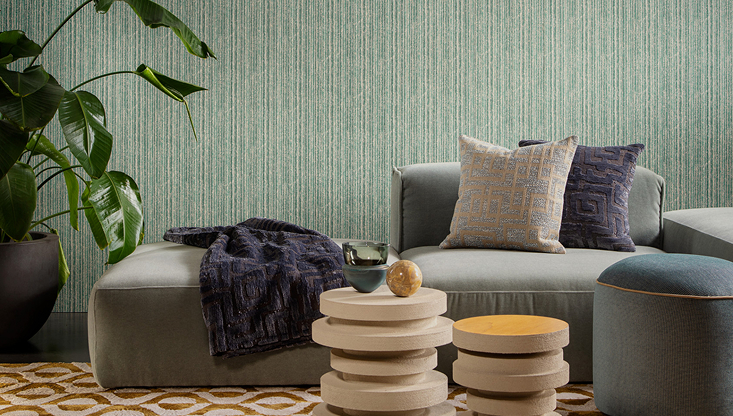
The types of wallpaper for walls available today go far beyond simple printed sheets. From textured vinyl to luxurious fabric-based options, understanding the types of wallpaper and their benefits helps you make a smarter choice for your home. Whether you are redecorating a bedroom in Mumbai or redesigning a living room in Delhi, wallpaper has evolved into a serious interior design tool. This guide walks you through different wallpaper materials, popular patterns, practical benefits, and what to look for when shopping, including premium options like Arte wallpaper in India.
Types of wallpaper for walls have evolved far beyond the old-fashioned prints people once associated with dated interiors. Today, wallpaper is one of the easiest ways to add texture, depth, warmth, and personality to a space without major renovation. From sleek modern patterns and subtle textured finishes to luxurious fabric panels and bold murals, the choices available now can completely transform how a room looks and feels. Whether you are redesigning a compact apartment or refreshing a spacious family home, understanding different wallpaper materials, patterns, and finishes helps you choose an option that not only looks beautiful but also suits your lifestyle and the Indian climate perfectly.
Wallpaper has had a bit of a reputation problem. For a long time, people associated it with outdated floral prints that peeled off within two years. But that version of wallpaper barely exists anymore. Today, the types of wallpaper for walls range from breathable grasscloth to waterproof vinyl, from hand-painted silk panels to digitally printed murals that stretch across an entire room.
What changed? Manufacturing improved dramatically. Materials became more durable, more varied, and more design-forward. The truth? People just got tired of white walls. Paint is fine, but wallpaper does something different. It adds texture, depth, and personality in a way no coat of paint can.
So if you have been holding back because you think wallpaper is complicated or impermanent, that thinking is worth revisiting.
Before you get swept up in patterns and colours, it helps to understand what you are actually buying. Different wallpaper materials behave very differently in terms of how they go up, how they hold up, and how they look over time.
Vinyl is the most common type of wallpaper used in homes across India, and for good reason. It is durable, moisture-resistant, and surprisingly easy to clean. If you live in a humid city or have children, vinyl makes a lot of practical sense. It does not tear easily, it holds colour well, and it handles the occasional wipe-down without complaint. The downside? It is not the most breathable material, so in rooms with poor ventilation, you might occasionally see condensation-related issues. Still, for high-traffic areas like hallways, kids’ rooms, or even kitchens, vinyl sits near the top of the list.
Non-woven wallpaper is made from a blend of natural and synthetic fibres. It is one of the easier types of wallpaper to install because it does not expand when wet, which means less chance of bubbling or misalignment. It is also easier to remove later- a big deal if you like to redecorate every few years. Non-woven options are becoming increasingly popular in India because they balance practicality with a premium look. Many of the cleaner, modern designs you see in contemporary interiors come in non-woven format.
This is where wallpaper moves from functional to genuinely beautiful. Fabric-based and grasscloth wallpapers bring natural texture that no printed paper can replicate. They feel tactile. They create warmth. Running your hand across a grasscloth wall is a completely different experience from touching a painted surface. These types of wallpaper are typically used in living rooms, dining areas, or bedrooms where the goal is ambience over utility. They are not ideal for humid or high-moisture spaces, though. And they do require more care during installation. But the visual result? Hard to match.
Then there is the top tier, specialty wallpapers that are essentially works of art. Hand-painted panels, silk-based coverings, metallic finishes, and digitally rendered murals all fall into this category. For example, Arte wallpaper India collections bring European design sensibility to Indian interiors- think abstract geometric textures, layered organic forms, and materials that photograph beautifully but feel even better in person.
This is the part where personal taste matters most. But there are still some patterns that tend to work better in specific contexts.
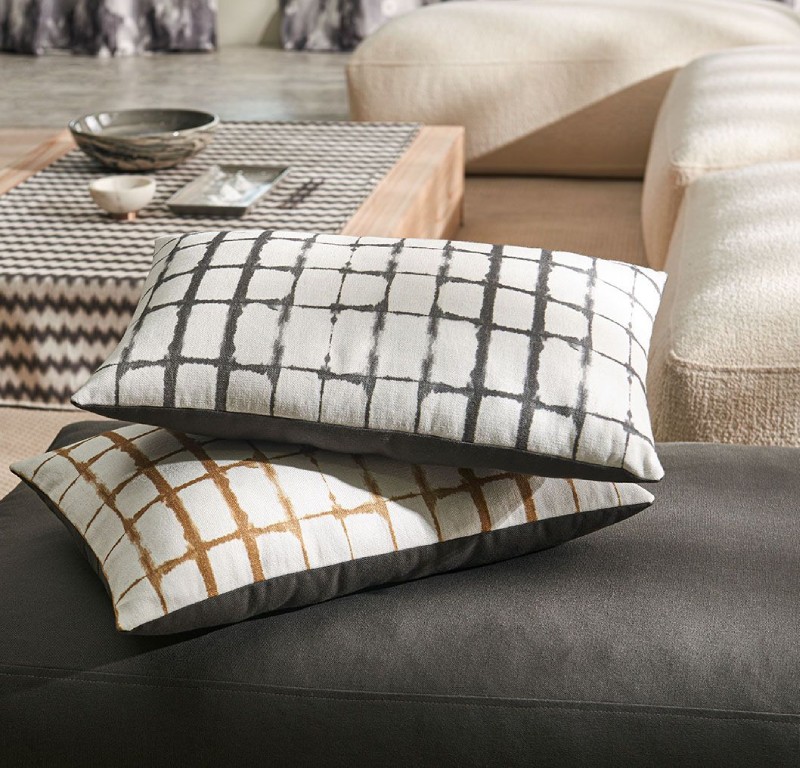
Clean lines, repeating shapes, bold grids- geometric patterns are having a long moment, and they are not going anywhere. They work especially well in modern apartments where the architecture is already structured. A geometric wallpaper on one wall can anchor an entire room without overwhelming it. If you are unsure where to start with types of wallpaper patterns, geometric is usually a safe and stylish entry point.
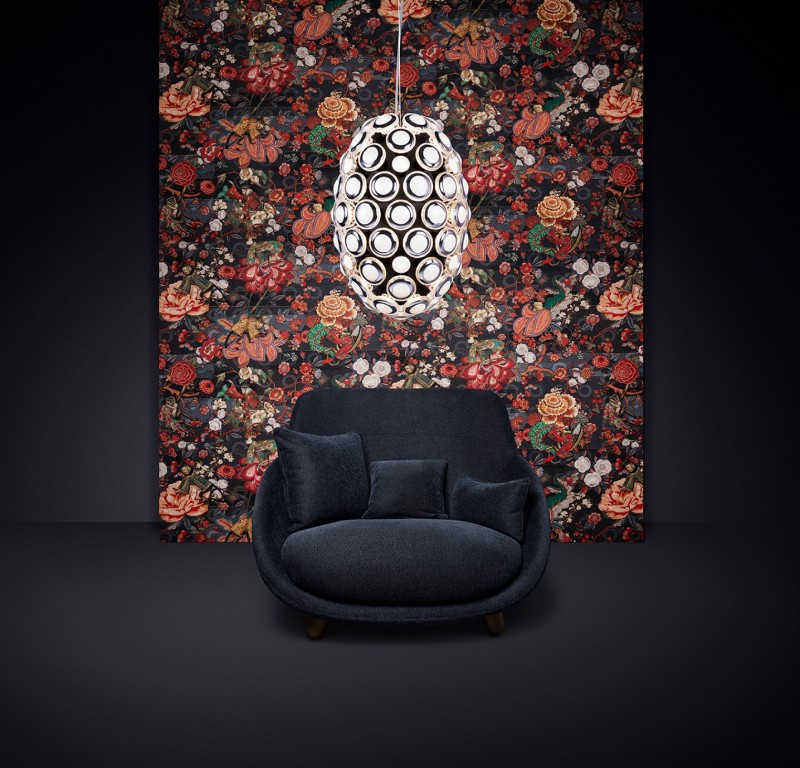
Tropical leaves, watercolour florals, hand-drawn botanicals- these patterns have become massively popular in Indian homes, especially in bedrooms and reading corners. There is something about bringing the outside in that makes a space feel more alive. In rooms with limited natural light, a lush botanical wallpaper can create the illusion of greenery and depth. The trick is scale. Large patterns work on full accent walls, while smaller prints suit cosier spaces.
Not every pattern has to be a recognisable image. Abstract wallpapers, whether they feature brushstroke textures, cloud-like forms, or layered tonal effects, add sophistication without being loud. These types of wallpaper patterns pair beautifully with minimal furniture and neutral furnishings. They are also quite popular in premium interior projects because they look expensive without screaming for attention.
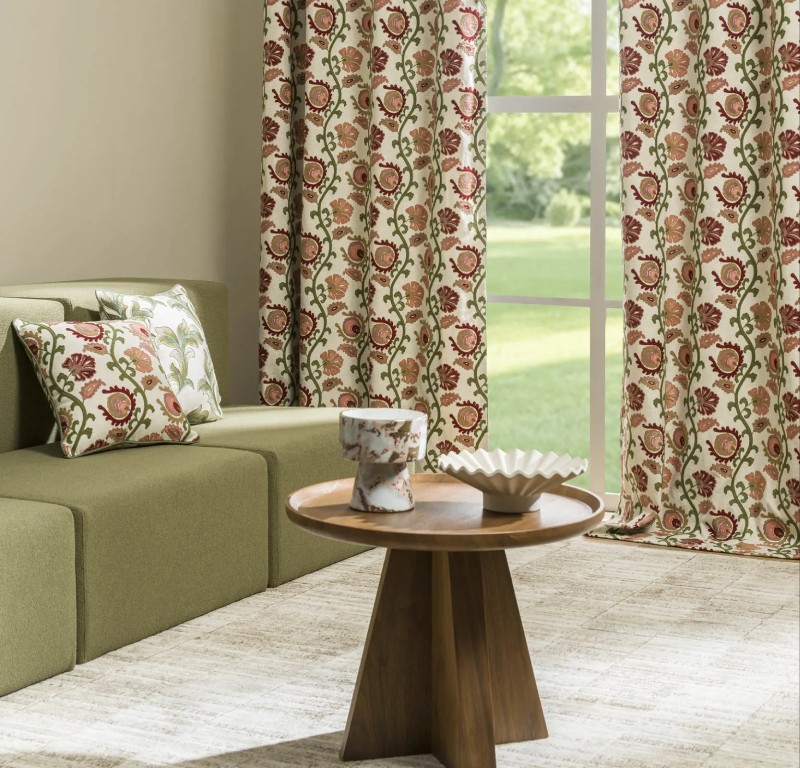
Damask, toile, traditional Indian motifs- heritage patterns continue to find their place in Indian homes, particularly in more formal rooms like dining areas or guest bedrooms. They carry a sense of history and craftsmanship that feels anchored rather than trendy. If your space leans traditional, these patterns integrate naturally without any forced styling effort.
Here is a question worth sitting with- why choose wallpaper over paint? The honest answer is that it depends on what you are after. But the benefits of wallpaper go further than most people assume.
Wallpaper adds texture that paint simply cannot. It creates depth, interest, and warmth in a way that flat paint will never achieve. Beyond aesthetics, quality wallpaper is incredibly durable. Many modern types of wallpaper for walls are rated to last 10 to 15 years or more. That is a long time for something that also doubles as your room’s biggest visual statement.
Wallpaper also gives you access to design complexity that would be nearly impossible to recreate with paint. Think about a mural-style print or a precise geometric repeat. You would need a professional artist to get anywhere close with paint. With wallpaper, that precision is built in.
Acoustic benefits are another one that rarely gets mentioned. Thicker wallpapers, particularly fabric-based and non-woven types, do absorb some sound. Not dramatically, but enough to make a room feel quieter and more comfortable. For apartments in dense Indian cities, that is a quiet bonus worth knowing about.
Wallpapered rooms simply look more considered. When you walk into a space with thoughtfully chosen wallpaper, it reads as intentional. That matters whether you are designing your own home or investing in a property.
Read Also – Exploring Wallpapers: Types, Styles & How to Choose the Right One
The right wallpaper is not the most expensive one. It is the one that fits your room’s light, your lifestyle, and your long-term comfort. So before you finalise anything, ask yourself this: how much natural light does the room get, and how much maintenance are you genuinely willing to do?
If you are in India and looking for premium options, exploring an Arte wallpaper store in Delhi like Drapesy is a good way to see high-end textures and specialty materials in person. Seeing and touching the material before committing is always worth the extra step.
Choosing the right wallpaper is less about following trends and more about understanding what your space actually needs. The right types of wallpaper for walls can transform a flat, forgettable room into something that feels genuinely designed- textured, layered, and alive. Whether you are drawn to simple geometric prints, lush botanical murals, or specialty luxury options, the variety available today means there is something for every style and budget.
If you are looking to explore curated wallpaper options that balance design quality with practicality, Drapesy is a strong place to begin. From everyday materials to premium collections, we bring together options that suit the Indian home without compromising on finish.
Yes, in most cases wallpaper can go over painted walls as long as the surface is clean, dry, and smooth. Oil-based paint surfaces may need a primer layer first to ensure proper adhesion. Always test a small section before full installation.
Look for vinyl or treated non-woven wallpapers that are explicitly labelled as moisture-resistant or humidity-tolerant. These are engineered to handle India's monsoon seasons and high-humidity interiors without peeling, warping, or developing mould.
Material costs vary widely- from ₹30 per sq. ft. for basic vinyl to ₹300 or more per sq. ft. for luxury or specialty options. Professional installation typically adds ₹10- ₹25 per sq. ft. depending on the complexity of the design and the surface condition.
High-quality vinyl and non-woven wallpapers generally last between 10 to 15 years under normal indoor conditions. Fabric and grasscloth varieties may have a shorter lifespan in humid environments but can last equally long in well-ventilated, controlled spaces.
Yes, especially with non-woven wallpapers, which are designed for dry or peel-and-strip removal. Older vinyl or paste-applied papers may require a scoring tool and warm water solution. Proper surface preparation before installation also makes future removal significantly easier.
Dive into the buzz!

ADDRESS
M/S Drapesy
Unit No. 1&2, FF,
Plot No. 9, Aya Nagar,
Opp. Metro Pillar No. 190,
Arjangarh Metro Station
New Delhi 110047
HAVE ANY QUERIES?
OUR EXPERIENCE CENTRE
REQUEST CATALOGUE
OUR SOCIAL NETWORKS