
The Ultimate Curtain Size Guide: How to Measure Curtains, Window Dimensions & Standard Curtain Sizes
19 Jun, 2026

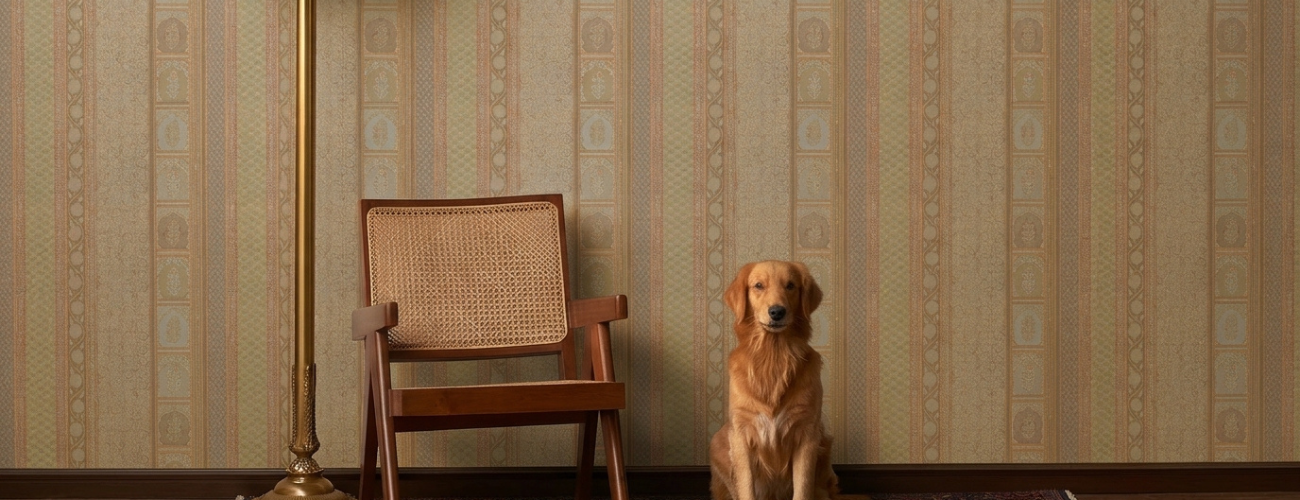
Most people don’t start with walls when they think about designing a room. It’s usually the sofa, maybe lighting, sometimes flooring. Walls come later. Almost like an afterthought. But here’s the odd part- walls take up the most visual space. So whatever you do with them ends up influencing everything else, whether you realise it or not. That’s where wallpapers quietly step in. Not loud. Not always obvious. But effective.
There are so many types of wall treatment available now that sticking to plain paint almost feels limiting. And among all modern wall treatments, wallpapers offer something slightly more layered- literally and visually.
Still, choosing one isn’t as straightforward as it seems. Too many options. Too many opinions. Below is a comprehensive guide to help.
Wallpapers are basically layers you apply to walls, but saying just that misses the point. Because they don’t just cover walls, they change how a space behaves. Paint gives you a colour. Wallpaper gives you a surface. And that surface could be smooth, textured, patterned, bold, or barely noticeable. This is why they are considered one of the more flexible wall covering materials used today.
The wallpaper material types you choose will quietly decide how long your wallpaper lasts and how easy it is to live with. Some are forgiving. Others demand care. Knowing the difference early saves you from small regrets later.
Vinyl wallpapers are practical. That’s the simplest way to put it. Among all types of wall coverings, this is the one people fall back on when they don’t want to think too much about maintenance. It handles moisture, stains, and everyday wear- without making a fuss. For example, in kitchens or hallways, this works well.
Non-woven wallpapers feel easier. Not just to install, but to live with. They are breathable, which helps avoid dampness issues over time. Among the various types of wallpaper, this one also comes off cleanly when you want to change things. So it suits people who don’t like being stuck with one look for years.
Fabric wallpapers are more about feel than function. They look rich. Soft. Slightly luxurious without trying too hard. If you are browsing premium kinds of wallpaper for walls, you will likely pause here. But they are not low-maintenance. Dust settles, cleaning takes effort. So they work best in spaces where they won’t be constantly handled or exposed.
How a wallpaper goes on the wall can change your entire experience with it. Some are quick and forgiving. Others need patience. When you explore types of wallpaper for walls, don’t skip this part, it often matters just as much as the design itself.
Peel the backing. Stick it on. Adjust if needed. Done. Among types of wallpaper for walls, this is the most flexible option, especially for renters. You can remove it without damage, which makes experimenting easier. Think of it like testing a look without fully committing to it.
Instead of applying glue to the wallpaper, you apply it directly to the wall. Sounds minor, but it reduces mess and makes alignment easier. Among different types of wallpapers, this approach works well for larger patterns where precision matters. It gives you more control and less stress.
Pre-pasted wallpapers sit somewhere in the middle. They come with adhesive already applied, so you just activate it with water. Convenient, yes, but also slightly time-sensitive. You need to position it quickly before it sets. These types of wallpaper are great for simple designs but can feel limiting if you want something more detailed.
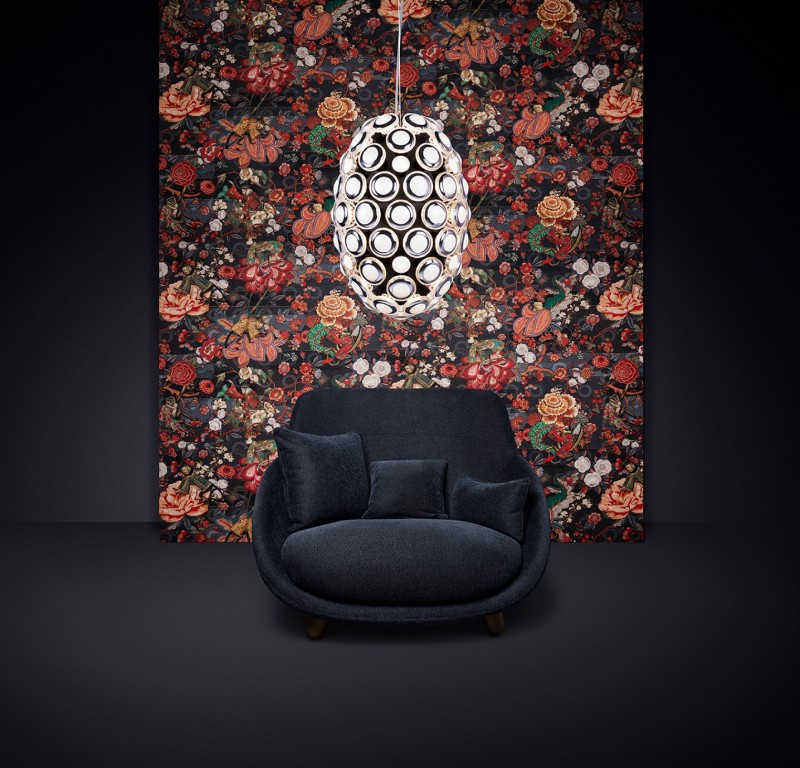
This is where things become personal. The types of wallpaper design you choose will define how the room feels more than anything else. Not just visually, but emotionally too. Some styles calm a space down. Others energise it. And the choice isn’t always obvious at first.
Minimal wallpapers don’t try to impress immediately. They sit quietly in the background. Soft colours, subtle patterns- nothing loud. Among types of wall treatment, this style works when you want balance. Especially if your furniture or lighting already stands out. It keeps the space grounded without making it feel empty.
Textured wallpapers are interesting because they don’t rely on bold designs. Instead, they use depth. Slight variations. Surfaces that catch light differently. They are effective at hiding uneven walls. They are a practical choice disguised as a design decision.
A well-placed 3D type wallpaper can completely change perception. Walls start to feel deeper. Sometimes even structured. But here’s the thing- it works best in moderation. One feature wall, not four. Otherwise, it can feel overwhelming instead of impressive.
Choosing wallpaper isn’t really about trends. It’s about how you use your space every day. With so many wall covering materials available, it’s easy to get distracted by looks. But the right choice usually comes down to small, practical decisions.
Start simple. How is the room used? A bedroom needs calm. A hallway needs durability. When looking at types of wall coverings, match the wallpaper to the lifestyle of that space. High-traffic areas need something resilient. Quiet spaces give you more flexibility to experiment.
Lighting changes everything. Seriously. A wallpaper that looks perfect in a store might feel completely different at home. Before choosing from any wallpaper shop in Delhi, check samples in your own lighting. Natural light, artificial light- both matter. It’s a small step. But it saves you from second-guessing later.
This is where most people hesitate. You find something beautiful. But then you wonder- will it be easy to maintain? Some wallpaper material types require regular care. Others don’t. If you prefer low effort, choose something durable. Because over time, convenience starts to matter more than appearance.
Read Also – Top Wallpaper Trends for Modern Homes in 2026
Wallpapers aren’t just about making walls look better. They change how a room feels. And the right choice usually isn’t the boldest or the trendiest one. It’s the one that fits your space without forcing it. If you’re exploring options, Drapesy offers collections that make this process feel less overwhelming.
In most cases, no, wallpapers cannot be reused after removal. Especially with adhesive-based wallpapers, removal affects their structure.
Textured wallpapers can hide minor imperfections. But heavily uneven walls still need preparation.
Initial costs can be higher for wallpapers. But long-term durability often balances it out.
Yes, but it needs balance. Usually one feature wall works better than mixing everywhere.
Always test samples in your room before finalising. It makes a big difference.
Dive into the buzz!


ADDRESS
M/S Drapesy
Unit No. 1&2, FF,
Plot No. 9, Aya Nagar,
Opp. Metro Pillar No. 190,
Arjangarh Metro Station
New Delhi 110047
HAVE ANY QUERIES?
OUR EXPERIENCE CENTRE
REQUEST CATALOGUE
OUR SOCIAL NETWORKS