
The Ultimate Curtain Size Guide: How to Measure Curtains, Window Dimensions & Standard Curtain Sizes
19 Jun, 2026

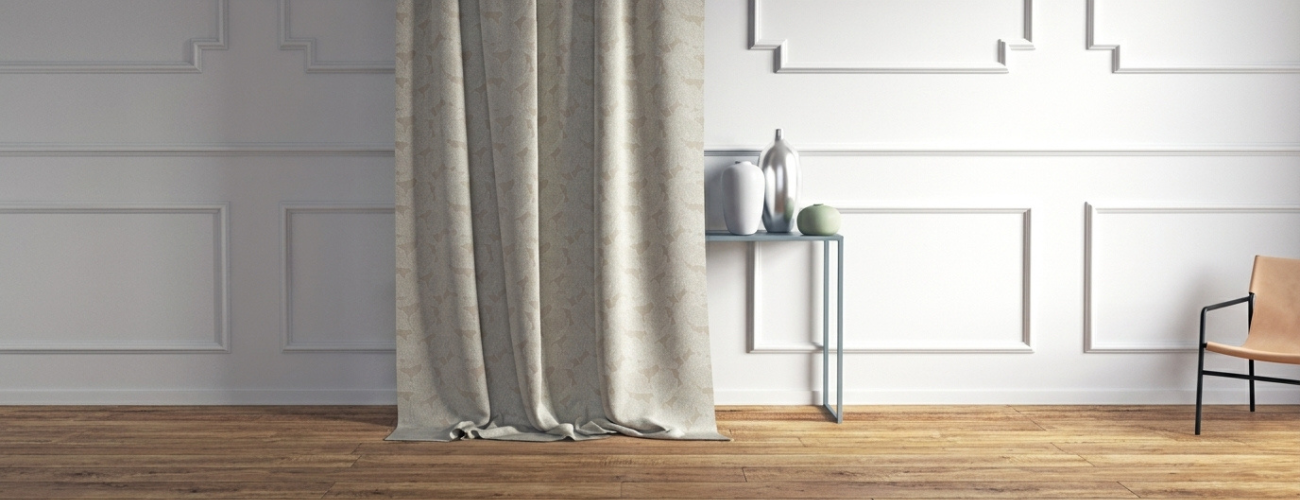
Most people don’t notice curtains until they are wrong. Too stiff, too shiny, too dull, too heavy- something feels off, but you can’t always explain it. And that’s the tricky part. Curtains don’t scream for attention like furniture does. They sit there quietly, but they change everything- light, mood, even how big or small a room feels. This is where you will realise that the curtain fabric you choose isn’t just about style. It’s about behaviour. How it reacts to sunlight. How it folds. How it moves when the fan is on.
No, there isn’t one universal answer. The best material for curtains really depends on your space, your habits, even how much effort you want to put into maintenance. So instead of overcomplicating things, let’s walk through this.
Before you even start picking colours or patterns, pause for a second. What actually makes a curtain feel “expensive” or well-chosen? It’s rarely obvious. Usually, it’s small things- the fall, the finish, the way it handles light. A good curtain material just sits right without trying too hard.
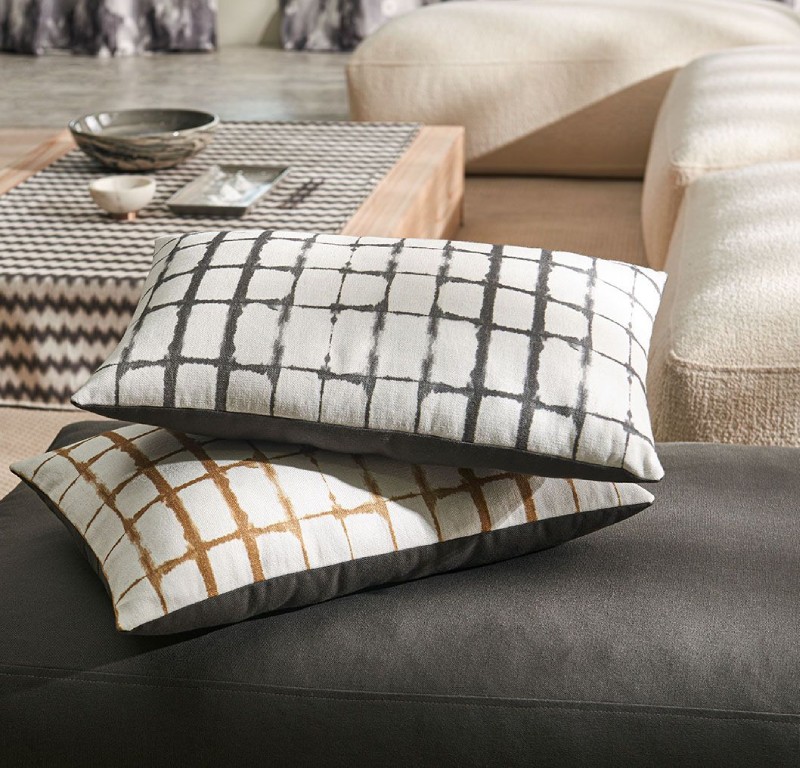
Some fabrics look great online but feel lifeless in a real room. That’s usually because they lack texture. When you explore different curtain fabric types, notice how the surface behaves. Does it reflect light softly? Does it feel flat? Linen has that slightly uneven, natural texture. Velvet feels dense and plush. These differences might sound small, but visually, they change everything without you even realising why.
Here’s something you rarely think about- how a curtain actually hangs. Among different curtain cloth types, weight plays a huge role. Too light, and it flutters awkwardly every time there’s airflow. Too heavy, and it feels rigid. The best curtains sort of “settle” into place. You don’t have to keep adjusting them. They just behave.
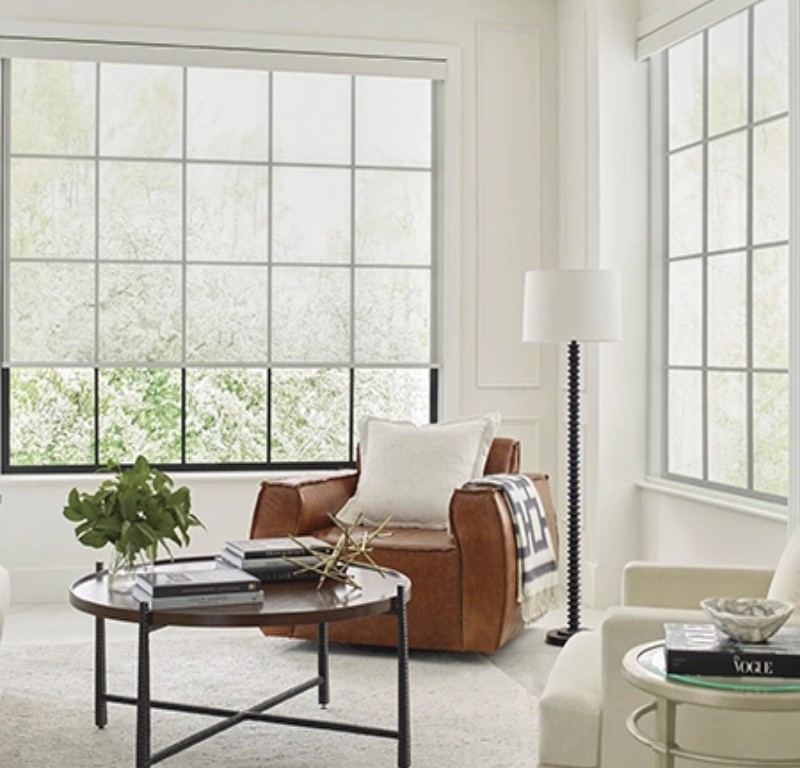
Light can make or break a room. That sounds dramatic, but it’s true. Different curtain material types handle light in very different ways. Sheer fabrics soften it, which works beautifully during the day. Thicker fabrics block it completely- great for bedrooms. But here’s the thing- most homes don’t need extremes. They just want control and the ability to adjust depending on the time of day.
Curtains are one of those things you don’t want to keep replacing. A good designer curtain fabric doesn’t fade after a few months or lose its shape after washing. Also, sunlight is brutal. It slowly breaks down weaker fabrics. So durability isn’t just about strength. It’s about how well the fabric ages. Because that’s what you are really investing in.
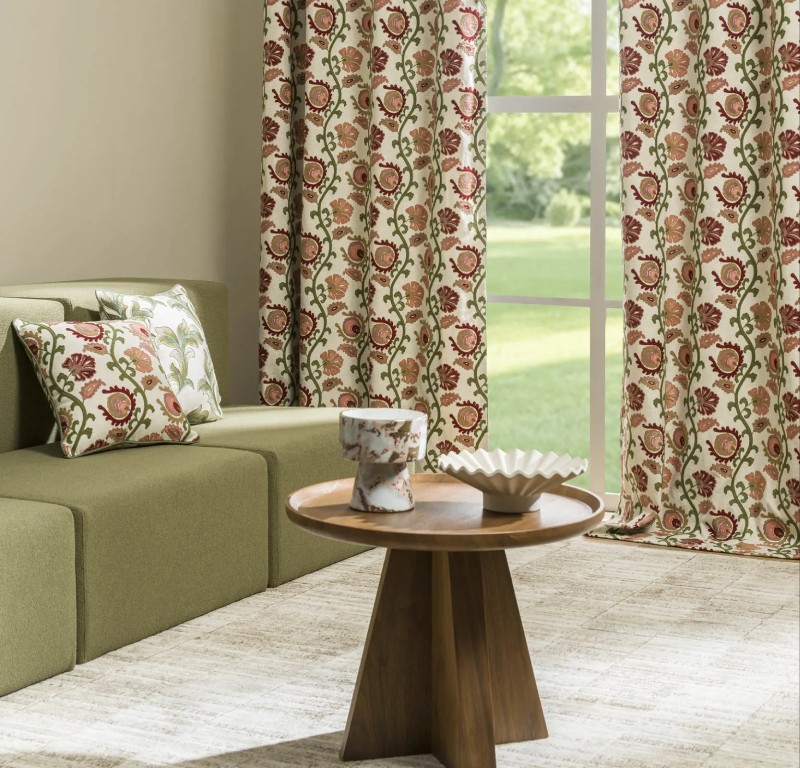
Trends change. Your taste might too. This is why flexible curtain fabric designs tend to work better in the long run. Neutral tones and subtle patterns adapt. You can change your furniture, add new decor, and the curtains still fit in. It’s a quieter kind of smart choice. Not exciting in the moment, but very satisfying later.
Now let’s get into actual choices. This is where things usually get confusing because every fabric sounds good, until you live with it. So instead of just listing options, let’s talk about what they are actually like in real homes. The best fabric for curtains isn’t about trends. It’s about fit.
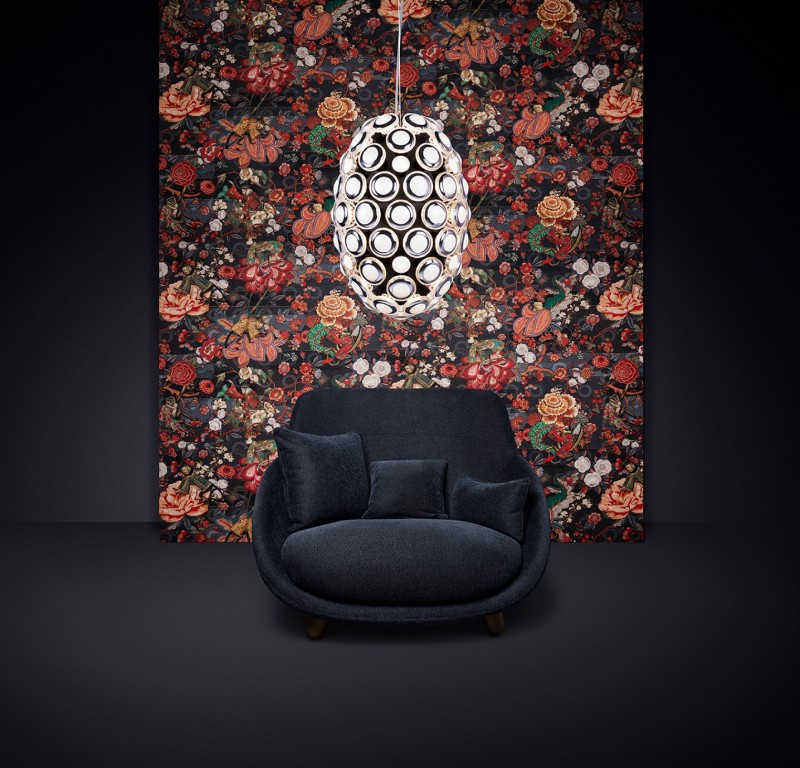
Velvet is noticeable. Not in a loud way, but it definitely has presence. It’s thick, rich, and instantly makes a space feel more “finished.” If you are trying to create a slightly formal or cosy environment, this is where people often land. Many consider it the best material for curtains for bedrooms and that makes sense. It blocks light really well and even helps with insulation. But, it can feel heavy in smaller rooms. Among all curtain fabric types, velvet doesn’t blend into the background. It becomes part of the room’s identity. So you have to be sure that’s what you want.
Linen feels like the opposite of velvet. It’s light, slightly textured, and a little imperfect and that’s exactly why people love it. It doesn’t try to look polished. If your space gets a lot of natural light, linen works beautifully because it softens that light instead of blocking it. It creates this calm, diffused glow. Among different curtain cloth types, linen is one of the easiest to live with visually. It doesn’t overpower anything. Yes, it wrinkles. But honestly? That relaxed look is part of its charm. If you have explored curtain stores in Delhi, you will notice linen shows up a lot.
Silk is elegant. No other way to put it. There’s a natural shine to it that instantly lifts the entire room. Even simple silk curtains look refined. But silk comes with conditions. It’s delicate. Direct sunlight can damage it over time, which is why lining becomes important. When you look at premium curtain fabric designs, silk often stands out because of how it reflects light. It almost glows. Among different curtain material types, silk is less about practicality and more about visual impact. It’s perfect when you want something that feels a bit more formal, just not something you want to handle roughly.
Cotton is probably the most familiar option. It’s simple, reliable, easy to manage yet luxurious. For everyday use, many people still consider it the best fabric for curtains. It lets in enough light to keep rooms bright without feeling harsh. And the variety? Endless. If you have ever browsed different curtain fabric designs, cotton dominates. Patterns, prints and textures- it’s all there. You will also find it everywhere in curtain stores in Delhi because it fits almost every kind of home. It’s not dramatic. It doesn’t try to impress. But it works.
Polyester is practical. It doesn’t wrinkle much. It doesn’t shrink easily. It holds its shape well over time. That alone makes it appealing for a lot of households. As a curtain material, it’s low maintenance, which significantly matters as not everyone wants to deal with delicate fabrics. Among different curtain cloth types, polyester is consistent. It might not have the richness of velvet or silk, but it performs. Sometimes, that’s the smarter choice- not the most luxurious one, but the one that actually fits your lifestyle.
People often rush through styling. But small decisions here make a huge difference. Not dramatic changes. Just subtle adjustments that shift how everything looks and feels. Let’s go through a few that are simple, but surprisingly effective.
Short curtains almost always look like a compromise. Floor-length curtains, on the other hand, feel intentional. Even a slight puddle at the bottom adds softness. When you are using a good designer curtain fabric, this becomes even more noticeable because the fabric flows properly. It’s one of those small upgrades that doesn’t cost extra, but makes everything look better.
Layering sounds fancy, but it’s actually very practical. Pair sheer curtains with thicker ones, and suddenly you can control light throughout the day. Morning feels bright and soft, evenings feel private. Using different curtain material types this way gives you flexibility without needing multiple setups. It’s simple, and once you try it, it’s hard to go back.
Most people install rods just above the window. Try placing them higher. It makes your windows look taller and your room feel bigger. It’s a visual trick, but it works. When combined with the right curtain material, it changes the entire perception of the space. It’s a small adjustment, but makes a big difference.
Read Also – Double Layered Curtains: A Stylish Window Treatment Idea for Homes
At the end of all this, the decision isn’t really about “which fabric is best.” It’s about what works for you.Your space, your light, your routine. The right curtains don’t just look good, they feel right over time. They don’t annoy you. You don’t keep adjusting them. They just fit into your life. So take your time with it. Don’t rush the choice.
If you are looking for options that strike a balance between style and practicality without overcomplicating things, Drapesy is a good place to begin.
Cotton and polyester are usually the easiest to manage for everyday use. They are easy to clean and style, making them manageable for daily use.
Heavier fabrics for curtains do not always look better. They look richer. However, in smaller spaces, they might feel overwhelming.
Linen can be a good choice for bedrooms. But, you might need to layer these curtains. This ensures better light control.
You can make your curtains look more expensive by focusing on their length, fabric quality, and proper rod placement.
Yes, mixing different curtain fabrics is a good choice and it often looks better. This is especially when layering sheer and heavy fabrics together.
Dive into the buzz!


ADDRESS
M/S Drapesy
Unit No. 1&2, FF,
Plot No. 9, Aya Nagar,
Opp. Metro Pillar No. 190,
Arjangarh Metro Station
New Delhi 110047
HAVE ANY QUERIES?
OUR EXPERIENCE CENTRE
REQUEST CATALOGUE
OUR SOCIAL NETWORKS